More than a thousand excursions at your fingertips


Top Sight Colonial City, World Heritage Site
03-01-2019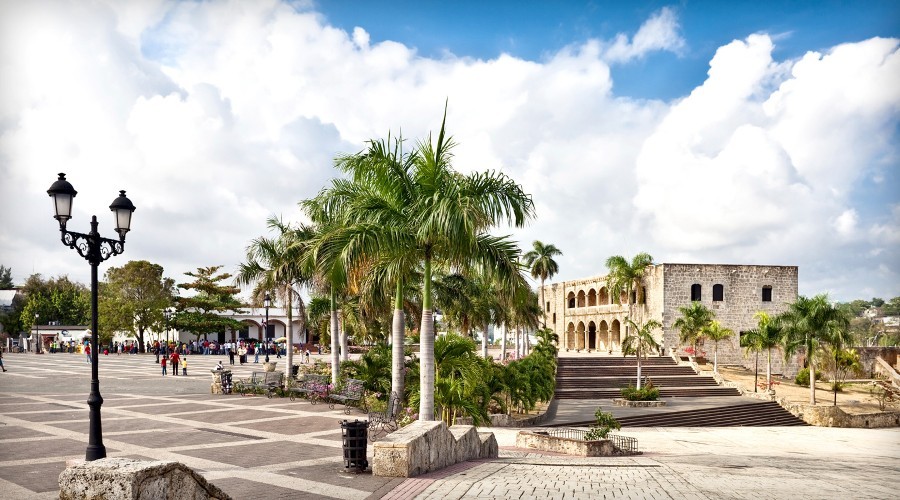
Es innegable que la República Dominicana es famosa por sus impresionantes playas, pero lo que la mayoría de la gente no sabe es que también tiene sitios increíbles y rincones históricos, y hoy lo invitamos a descubrir algunos de ellos. Aquí hemos destacado para usted los mejores lugares de la ciudad, recomendados por millones de viajeros reales por su encanto y que consideramos visitados al menos una vez en sus vidas. # VacacionesBarceló lo llevará a explorar los lugares más antiguos de América uno por uno, así que vamos. ¡Te encantará!
Catedral Primada de América y Monumento Conmemorativo a Colón
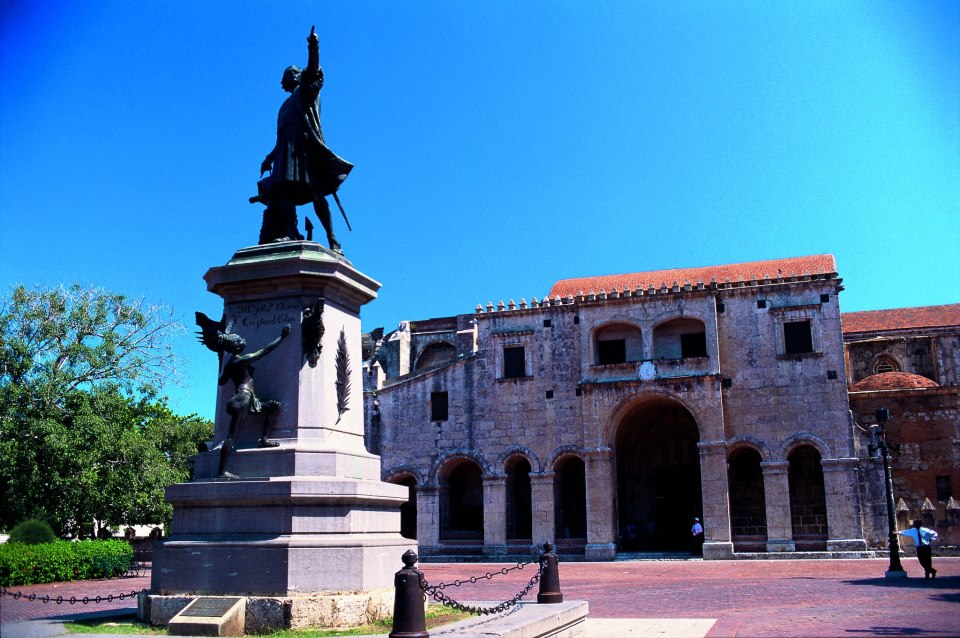
Diego Colón, hijo del gran explorador (las cenizas del padre y supuestamente once residían en la cripta de la capilla), colocó la primera piedra de esta catedral en 1514. Sin embargo, la construcción no comenzó hasta la llegada del primer obispo, Alejandro. Geraldini, en 1521. Desde entonces hasta 1540, numerosos arquitectos trabajaron en la iglesia y en los edificios contiguos, por lo que la bóveda es gótica, los arcos románicos y la ornamentación barroca. Entre las características más impresionantes de la catedral se encuentran su impresionante techo abovedado y sus 14 capillas interiores.

Alcázar de Colón y Plaza de España.
Designed in the Gothic-Mudéjar transitional style, this was the early-16th-century residence of Columbus’ son, Diego, and his wife, Doña María de Toledo. The magnificent edifice itself, along with the household pieces on display (said to have belonged to the Columbus family), are worth a look.

Museo de las Casas Reales and Reloj del Sol (sundial)
Built in the Renaissance style during the 16th century, this building was the longtime seat of Spanish authority for the Caribbean region, housing the governor’s office and the powerful Audiencia Real (Royal Court). It showcases colonial-period objects, antique weaponry collection, Taíno artifacts and others.
Reloj Del Sol, located just right across from the Museo de las Casas Reales, this sundial was built by Governor Francisco Rubio y Peñaranda in 1753 and positioned so that officials in the Royal Houses could see the time with only a glance from their eastern windows. It was among the first time-telling devices constructed in North America, and remains accurate today.


Panteón de la Patria
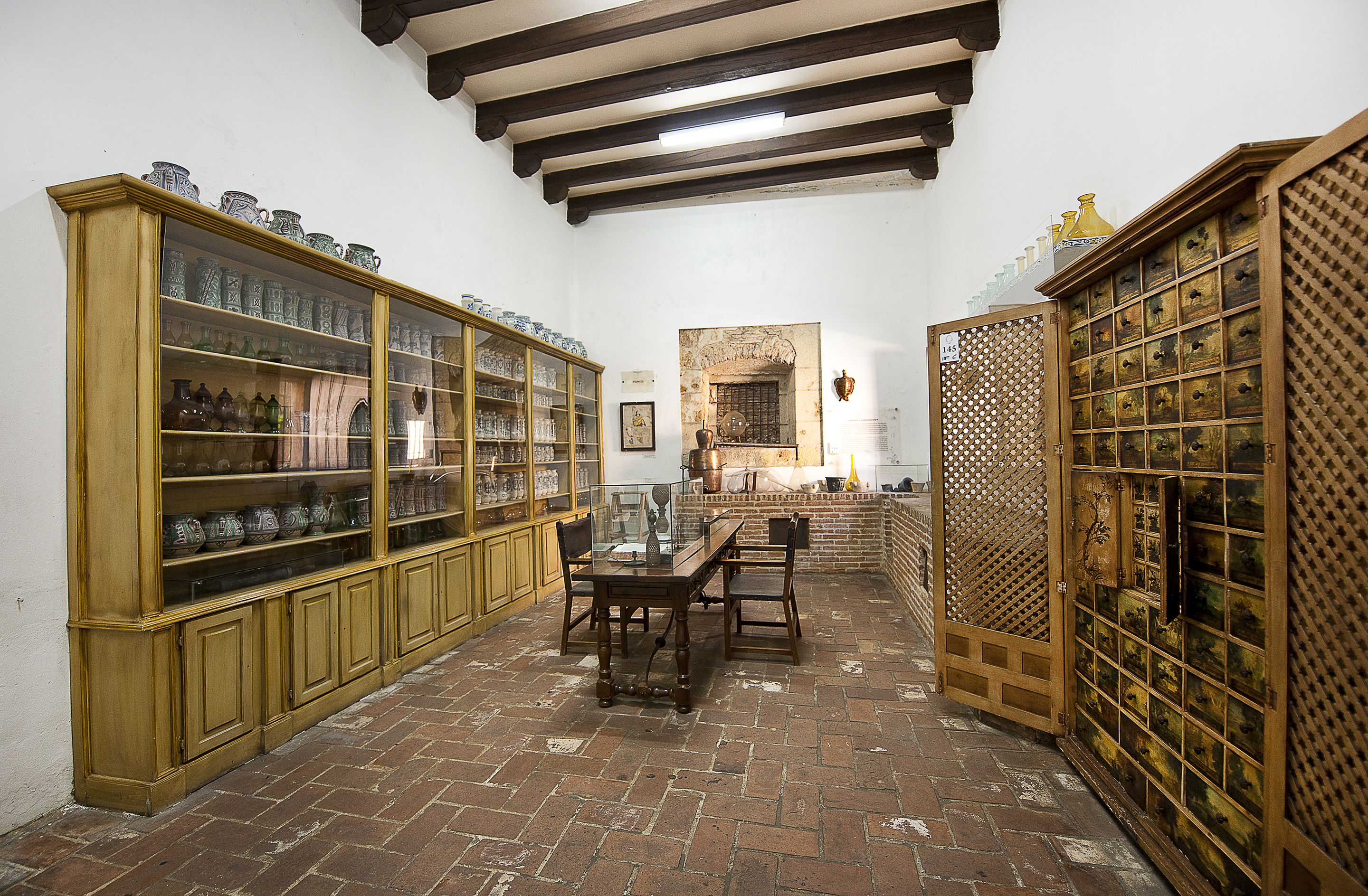
Built in 1747 as a Jesuit church, this was also a tobacco warehouse and a theater before dictator Trujillo restored it in 1958 for its current use as a mausoleum. Today many of the country’s most illustrious persons are honored here, their remains sealed behind two marble walls.


Fortaleza Ozama and its Tower of Homage
This is the New World's oldest colonial military edifice. Fray Nicolás de Ovando selected the site and its construction began in 1502. Over the centuries, the fort served as a military garrison and prison. As soon as you walk into the site, you will see the oldest of the buildings here: the impressive Torre del Homenaje (Tower of Homage). Its 2m-thick walls contain dozens of riflemen’s embrasures and its rooftop lookout offers 360-degree views of the city.

Calle Las Damas (Ladies Street)
The First paved street in the Americas. Laid in 1502, the street acquired its name from the wife of Diego Columbus and her lady friends, who made a habit of strolling the road every afternoon, weather permitting.

Puerta de la Misericordia and Puerta del Conde
Puerta de la Misericordia was erected during the 16th century and for many decades served as the main western entrance to the city. It obtained its name after a major earthquake in 1842, when a large tent was erected beside it to provide temporary shelter for the homeless.

Puerta del Conde is the symbol of Dominican patriotism because beside it, in February 1844, brave Dominicans executed a bloodless coup against occupying Haitian forces; their actions created an independent Dominican Republic. It also was atop this gate that the very first Dominican flag was raised.

Convento de los Dominicos
The oldest building of the Americas. Its construction began around 1510 with the arrival of the Dominicans order in Santo Domingo. Today UNESCO considers it World Heritage’s Site.

Ruinas Hospital San Nicolas de Bari
Primer hospital del nuevo mundo. Permanecen como un monumento al gobernador Nicolás de Ovando, quien ordenó la construcción del hospital en 1503. Tan robusto fue el edificio que sobrevivió a la invasión de Drake y siglos de terremotos y huracanes. Permaneció virtualmente intacto hasta que fue devastado por un huracán en 1911, y los funcionarios de obras públicas ordenaron gran parte de él para que no fuera una amenaza para los peatones.

Los lugares mencionados son solo algunos de los muchos rincones ocultos que se pueden descubrir en toda la ciudad más antigua de América, ¡así que tome su cámara, elija a su compañero de viaje y disfrute de la visita!
Y por favor, recuerde compartir su experiencia con nosotros en nuestras páginas de redes sociales.
#VBRD #GoRepDom #DescubrirDR #TravelWorlwide #SantoDomingo #ColonialCityl #UNESCO #NatGeo #VBRD #YouMustEnjoyThis
